Solar radiation and aircraft electronics: is this a big issue?

Much of the world’s fleet of about 11,000 Airbus A320 series aircraft – the most popular airliner in the world according to sales – are affected by a current emergency airworthiness directive from the European Union Aviation Safety Agency and the US Federal Aviation Administration requiring that operators modify their aircraft control software to make it more resistant to the effects of solar radiation.

This followed a sudden loss of height in the cruise involving a JetBlue A320 en route from Cancun, Mexico to Newark, USA on 30 October. Solar radiation is believed to have been responsible for corrupting the data in one of the aircraft’s flight control computers causing the sudden height loss – which injured several passengers. Recovery action by the pilots ensured the aircraft diverted safely to Tampa, Florida.

Most younger A320s need only a quick software patch to harden the microchip resistance in their flight control computers against particularly vigorous bursts of solar radiation, but nearly a thousand of the oldest aircraft may need to change the units.

Solar radiation is known to be able to interfere with GPS signals, radio communication, inertial navigation systems, autopilot, and full-authority digital engine controls (FADEC), although incidents are rare. A mysterious sudden pitch-down by a Qantas A330 in the cruise over Western Australia in October 2008 is now reckoned to have been caused by corrupted data from an air data inertial reference unit (ADIRU) that may have been subject to solar radiation damage.

All aircraft are more vulnerable than suface vehicles to solar radiation effects because, at high altitude, there is less atmospheric attenuation of the sun’s electromagnetic energy. Polar flights are particularly vulnerable because the earth’s magnetic field provides less shielding and the troposphere is at a lower altitude there.

A320 series aircraft have three three flight control primary computers (FCPC), two flight control secondary computers (FCSC), and a flight augmentation computer, all of which provide considerable systems redundancy, plus a cross-checking capability to detect and correct anomalous data.

The UK Civil Aviation Authority said today that there had been virtually no disruption to flight schedules because airlines were so quick to apply software fixes.

1 December 2025: a statement from Airbus on this date claimed that only about 100 A320 series aircraft remained to receive the softwear hardening required by EASA an the FAA.

How to win air travellers back

This is the image description.

Air travellers are dreaming nostalgically of the golden age of flying.  

No, not the Pan Am Stratocruisers of the 1950s for which the boarding pass was elegant millinery for the ladies and trilbies for the chaps. The golden era ended two years ago, at the end of 2019. And we’re talking about the whole air travel range from Wizz Air A320s to Emirates A380s.

Guests at hip dinner parties now compete to see who can claim to have gone the longest since they last got airborne. This is not, dear reader, a “who is the greenest” competition. Their agonising anecdotes drip with nostalgia. Even Ryanair customer-service horror stories qualify for full-on “those were the days” treatment. It seems memories of a 17-inch seat-pitch with no seat-back pouch to hold your stuff are recalled fondly.

Anything for a sniff of aviation fuel.

To listen to them, you’d think these intrepid voyagers would kill to get aboard any aircraft given permission to get airborne since the Covid pandemic’s grip slackened last summer. So why don’t they? Why are the winning dinner party anecdotes those that claim the longest grounding?

The long-suffering airlines are doing their best to win passengers back, but the principal barrier preventing them returning to anything like normal service is uncertainty, particularly on international routes. Domestic routes in big markets like the USA are almost normal, since they don’t face differing national rules on how to manage borders in a pandemic.

In the Good Old Days of 2019, business leaders could get on with running their businesses. Now nationalism is in – and treaties/alliances are suddenly uncool – they have to negotiate continually with governments both at home and abroad, to agree ways of meeting the ever-changing rules that limit what they are permitted to do today.

Unfortunately, uncertainty is with us to stay, even when the pandemic is brought under control, because nationalism has been on the rise since the Trump presidency in the USA, Brexit in the UK, and the influence of increasingly belligerent governments in Moscow, Budapest, Warsaw and Beijing.

However hard they try, cabin crew and pilots cannot entirely disguise the stresses they face in this new working environment. And when stressed cabin crew meet stressed passengers who have been juggling for days with Covid tests and providing proof of them on arrival at the airport, the golden age seems far away.

There has been a severe shortage of happy stories about air travel, but a few glints from the golden age may yet be in the offing.

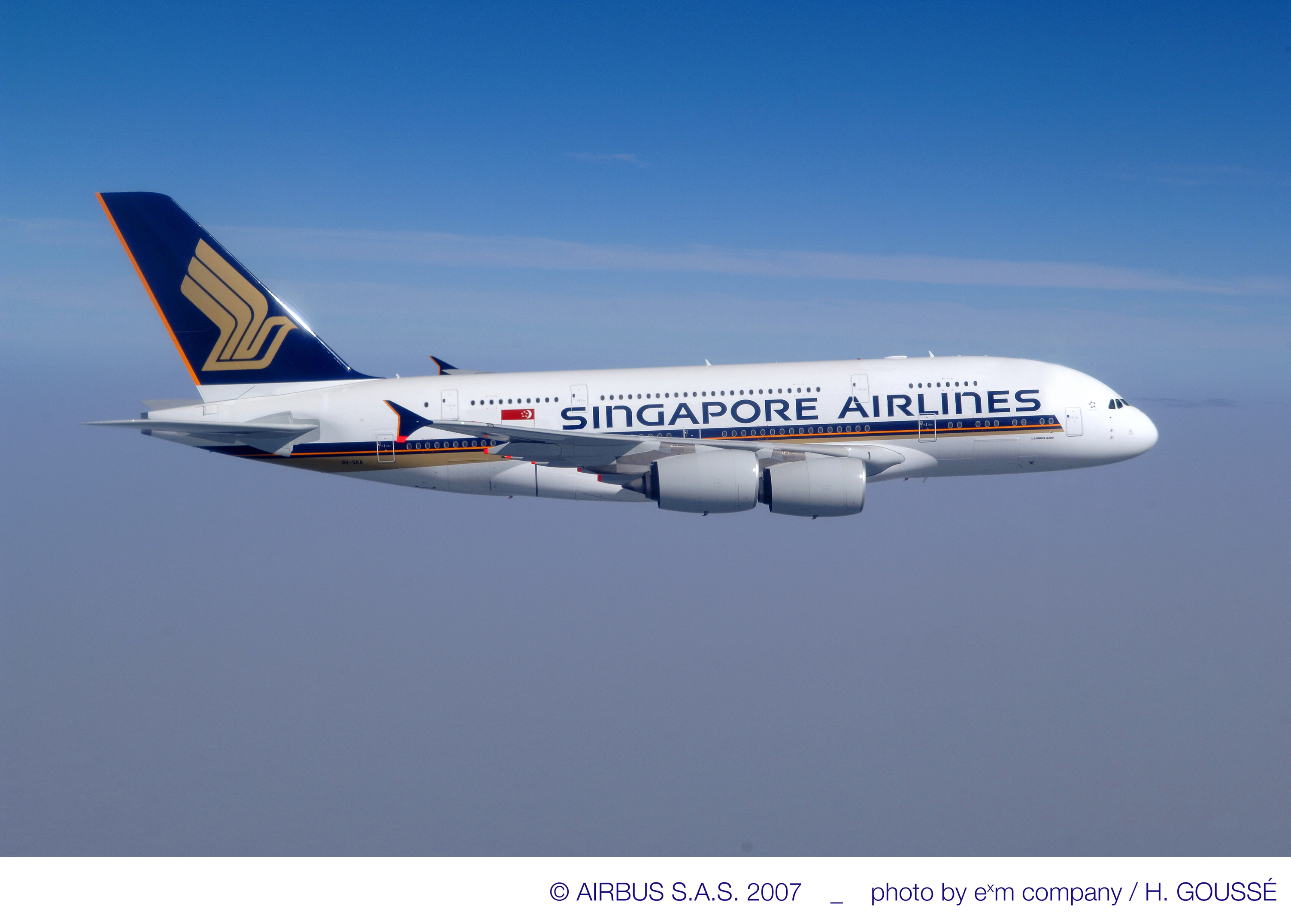
Airlines like Emirates, Singapore Airlines, British Airways and Qantas are wheeling A380s out again, their press offices fondly reminding passengers that this huge machine provides perhaps the best air travel experience available – even in the economy cabin.

Marketing air travel is not easy right now, but one thing is for sure: selling air travel nostalgia is one of the few tactics likely to work.