Ryanair has been identified in the UK Consumers Association publication “Which?” as the air carrier against which airline awfulness is benchmarked, and it has found that – by one particular measure, British Airways is even worse.
Airlines examined in this survey are among those offering services to or from British airports, and Which? says it is based upon a survey of 6,500 passengers who travelled in the last year. The consumer champion reports “a gulf in standards between the best and the worst”, and it places Jet2 comfortably at the top of short-haul ratings, with Ryanair at the bottom (and Wizz almost as bad).
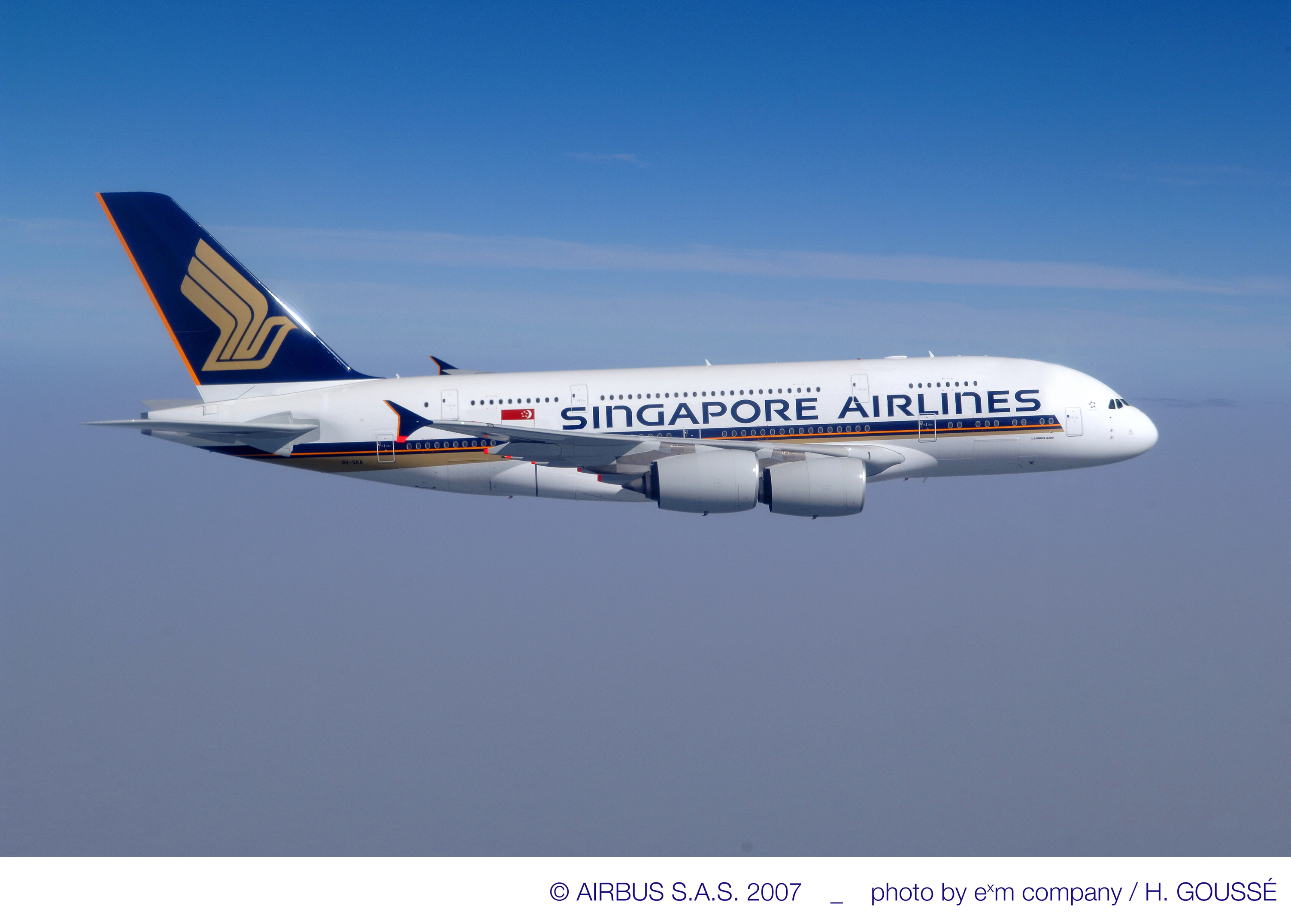
In long-haul, Singapore Airlines tops the league, with British Airways firmly at the bottom of the nineteen carriers listed, and Air Canada close to it. Indeed, the mighty American Airlines scores much the same as BA, but can claim a Customer Score of 65% against BA’s 62%.
Which? scores all the airlines on 12 categories across the service spectrum. In each category airlines can win from one to five stars, and an overall customer score out of 100. As an example, Jet2 (short-haul) earned five stars for customer service, four in several categories, and in none of the cateories did it win fewer than three stars. Ryanair, on the other hand, didn’t earn more than two stars for anything, and scored one for boarding, seat comfort and food.
Asked by Which? to comment on the survey results, Ryanair had this to say: “Ryanair this year will carry 200m passengers…Not one of our 200m passengers wish to pay “higher prices” as Which? falsely claim.”
Indeed, Ryanair has always been totally unapologetic, as I pointed out in my recent obituary for enjoyable air travel “Surly Bonds (Part 2)”. Quote: “One of the industry’s extant personalities, Ryanair’s chief exec, Michael O’Leary, almost encourages the impression that he chuckles at the pain he can persuade his passengers to undergo to knock a Euro or two off their fare! They just keep coming, he crows. And he’s right, they do – in ever larger numbers!”
But what excuses can British Airways field? It scored lower even than Ryanair on its response to customers who ask for assistance of any kind. Meanwhile on short-haul its highest score was three stars, with a mere two for boarding, seat comfort, food and value for money. On its long-haul routes BA earned four stars for its booking process, but only two on seat comfort, food, cleanliness and value for money.
The UK flag carrier responded: “This research from Which? is entirely at odds with comments from the hundreds of thousands of customers who we know do travel with British Airways and then tell us about their experience.” BA then, in a style reminiscent of recent UK politicians attempting to mitigate dire poll results, lists all the investment it has recently made in cabins and customer service, finally adding: “This [feedback] is also reflected in a recent independent study from Newsweek, which surveyed 17,000 people who voted us their Most Trusted Airline Brand.”
Great brands – and British Airways was indeed a great brand not long ago – can survive a period in the doldrums, but trust can quickly be squandered.
This blog has already vented about the deadly tediousness of air transport today, and the complacent acceptance by the industry of mediocre standards. Flying used to be considered a glamorous and exciting mode of travel, and could be again if spiced with a little imagination.
If that imagination is not invested, the air travel industry will be self-limiting, and environmentalists will be able to celebrate its shortcomings.

 Learmount.com