Marine survey company Ocean Infinity has just had confirmation of a contract from the Malaysian government to resume the search for the Malaysia Airlines Boeing 777-200ER that went missing in March 2014. The resumption was first proposed in December 2024, but now the 31 December 2025 search start date has been agreed.
The flight took off from Kuala Lumpur bound for Beijing on 8 March 2014, and detail of the story can be found here.
The Malaysian government says it is committed to finding flight MH370 for the sake of the relatives and friends of the 239 people on board who hope for some kind of closure. The official inquiry into the loss did not reach a causal conclusion.
If a new search of the southern Indian Ocean goes ahead as proposed, the expedition may clear up once and for all the most perplexing aviation mystery since the second world war: the fate of the missing Flight MH370, and all 239 people lost with it.
The majority of those on board the lost flight – which took off from Kuala Lumpur bound for Beijing more than ten years ago – were Malaysian or Chinese. Now Malaysian transport minister Anthony Loke has provisionally accepted a “no find, no fee” bid by Southampton, UK-based survey company Ocean Infinity, to search a new area of the remote southern Indian Ocean, where previously rejected data suggests the MH370 wreck could be resting on the sea bed.
Loke explained his rationale for a new search: “Our responsibility and obligation and commitment is to the next of kin…We hope [the search] this time will be positive, that the wreckage will be found and give closure to the families.”
Ocean Infinity vessels took part in a previous search near the planned fresh objective, but they were carried out under the direction of government agencies from Malaysia, China and Australia, and were unsuccessful. This time the company will be using independently supplied data from multiple expert sources, and it will consider alternative theories as to how the aircraft was directed in the last sector of its flight before it finally entered the ocean. This will take the search further south than Ocean Infinity’s vessels have scanned before.
On 8 March 2014, the Malaysia Airlines Boeing 777 took off from Kuala Lumpur on a scheduled flight to Beijing. Over the South China Sea, only 39 minutes into the flight, all radio communication with air traffic control was lost, and the aircraft’s data disappeared from ATC radar.
Military radar later revealed that, when it disappeared from ATC radar because the aircraft’s transponder had been switched off, MH370 almost did a U-turn and headed back across Malaysia, out into the northern Andaman Sea, and finally went out of radar range. What it did then has been the subject of endless speculation, but all plausible theories led to the south-eastern Indian Ocean, where the previous (unsuccessful) searches have taken place.
Since that time a few pieces of wreckage identified as part of the missing Boeing 777 have been found washed up on beaches around the Indian Ocean, thousands of miles from the aircraft’s flight planned route.
But the resting place of the wreckage and the remains of 239 people who had set off innocently on a commercial flight are, to this day, still undiscovered.
If the Malaysian government confirms its planned agreement with Ocean Infinity, the world may finally learn the fascinating truth about this mysterious flight.
Air travellers are dreaming nostalgically of the golden age of flying.
No, not the Pan Am Stratocruisers of the 1950s for which the boarding pass was elegant millinery for the ladies and trilbies for the chaps. The golden era ended two years ago, at the end of 2019. And we’re talking about the whole air travel range from Wizz Air A320s to Emirates A380s.
Guests at hip dinner parties now compete to see who can claim to have gone the longest since they last got airborne. This is not, dear reader, a “who is the greenest” competition. Their agonising anecdotes drip with nostalgia. Even Ryanair customer-service horror stories qualify for full-on “those were the days” treatment. It seems memories of a 17-inch seat-pitch with no seat-back pouch to hold your stuff are recalled fondly.
Anything for a sniff of aviation fuel.
To listen to them, you’d think these intrepid voyagers would kill to get aboard any aircraft given permission to get airborne since the Covid pandemic’s grip slackened last summer. So why don’t they? Why are the winning dinner party anecdotes those that claim the longest grounding?
The long-suffering airlines are doing their best to win passengers back, but the principal barrier preventing them returning to anything like normal service is uncertainty, particularly on international routes. Domestic routes in big markets like the USA are almost normal, since they don’t face differing national rules on how to manage borders in a pandemic.
In the Good Old Days of 2019, business leaders could get on with running their businesses. Now nationalism is in – and treaties/alliances are suddenly uncool – they have to negotiate continually with governments both at home and abroad, to agree ways of meeting the ever-changing rules that limit what they are permitted to do today.
Unfortunately, uncertainty is with us to stay, even when the pandemic is brought under control, because nationalism has been on the rise since the Trump presidency in the USA, Brexit in the UK, and the influence of increasingly belligerent governments in Moscow, Budapest, Warsaw and Beijing.
However hard they try, cabin crew and pilots cannot entirely disguise the stresses they face in this new working environment. And when stressed cabin crew meet stressed passengers who have been juggling for days with Covid tests and providing proof of them on arrival at the airport, the golden age seems far away.
There has been a severe shortage of happy stories about air travel, but a few glints from the golden age may yet be in the offing.
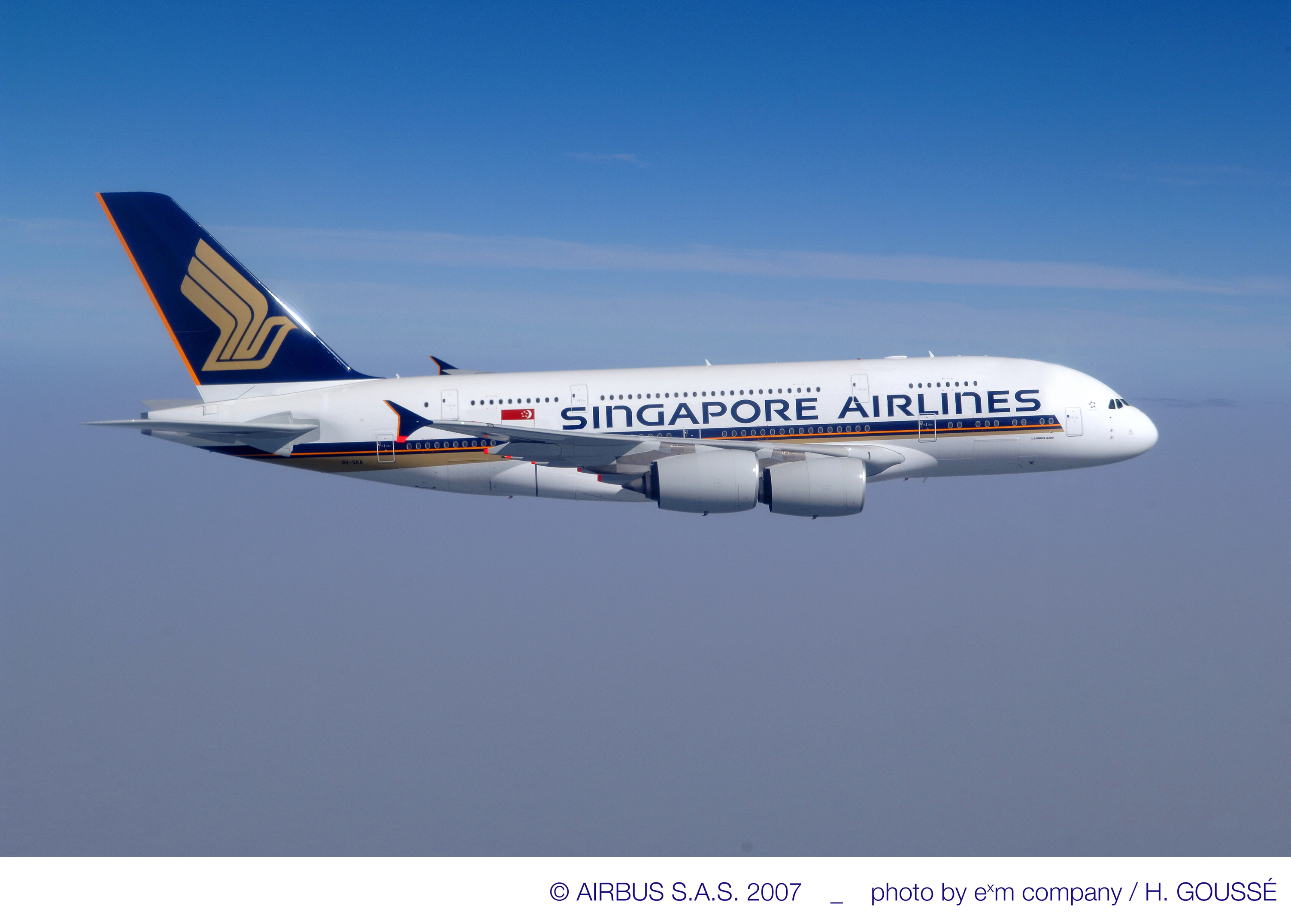
Airlines like Emirates, Singapore Airlines, British Airways and Qantas are wheeling A380s out again, their press offices fondly reminding passengers that this huge machine provides perhaps the best air travel experience available – even in the economy cabin.
Marketing air travel is not easy right now, but one thing is for sure: selling air travel nostalgia is one of the few tactics likely to work.

 Learmount.com